
Our Blog
A space where we share insights, reflections, and practical takeaways from our work in accessibility and inclusion. Explore what we’re learning through our trainings, projects, and partnerships.
The Stories Behind the Answers: Lessons From Recent Interviews
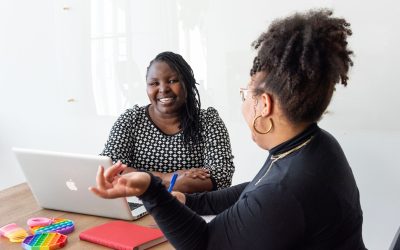
I had not been directly involved in hiring for a few years. Recently, I found myself back on the interview side of the table, and I was reminded very quickly how much you can learn in these conversations.
Not just about candidates, but about communication styles, confidence, perspective, and how people understand the work they hope to do.
One moment early in the process captured this perfectly.
Partway through an interview, a colleague gently brought the conversation back to the question we had asked. The candidate had been sharing their career story in detail. It was interesting and thoughtful, but the original question had slowly drifted out of view.
The Three Dimensions of Accessibility: People, Practices, and Systems
People are at the heart of every organization. This includes leaders, staff, volunteers, partners, clients, and community members. Anyone who interacts with your organization is part of this dimension.
Accessibility at the people level is about inclusion, respect, and support in everyday experiences. It starts with how people are welcomed and valued. For example, accessible recruitment is a people issue. This can mean removing bias from hiring processes, clearly stating that accommodations are available in job postings, and offering accessible interview options by default. It also means supporting accommodations without stigma.
Planted, growing, thriving: African Heritage in Nova Scotia
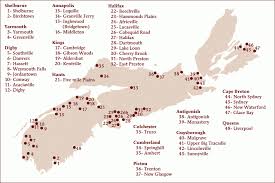
Nova Scotia is home to more than 50 historic Black communities, including North Preston, the largest Black community in Canada. Its original settlers were Black Refugees of the War of 1812. Across the province, Black communities were founded by Black Loyalists, Jamaican Maroons, and Black Refugees. Nova Scotia also participated in slavery, a truth that is often left out of mainstream Canadian history.
Created by Community: The Queer Atlantic Business Hub Launches
The Queer Atlantic Business Hub is a new Atlantic-wide initiative designed to support 2SLGBTQIA+ people who want to start, grow, or sustain a business. The Hub is launching its new bilingual website, welcoming a newly formed board, and opening membership to the public. While Sea Change is helping to bring this work to life, the Hub is a collaborative project shaped by community voices and delivered in partnership with others across the region.
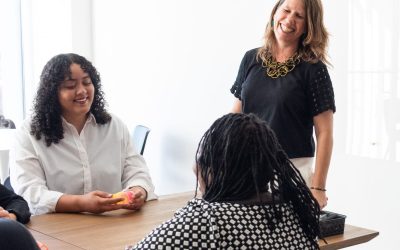
Plain Language: Clear Communication That Works for Everyone
Every day we encounter language in websites, forms, signs, emails, policies, job postings, and conversations. When that language is confusing, too technical, or overly long, people can feel frustrated, overwhelmed, and excluded. Plain language removes those barriers so more people can access the information they need.

Accessible Customer Service for the Holiday Season: Simple Tips to Welcome Everyone
Earlier this year, I wrote about how different generations inherited different beliefs about disability and work: what felt safe to say, what counted as “professional,” and who quietly endured challenges without support. Many people, especially those with disabilities, chronic conditions, or caregiving responsibilities, learned to stay silent to avoid judgment, job loss, or being seen as less capable. These generational experiences shape how safe people feel speaking up today.

Curiosity Is a Leadership Skill: Psychological Safety in Multigenerational Workplaces
Earlier this year, I wrote about how different generations inherited different beliefs about disability and work: what felt safe to say, what counted as “professional,” and who quietly endured challenges without support. Many people, especially those with disabilities, chronic conditions, or caregiving responsibilities, learned to stay silent to avoid judgment, job loss, or being seen as less capable. These generational experiences shape how safe people feel speaking up today.

My Brain Glitched Again: My Experience Living and Working with FND
For two years I had been free of it…this condition that steals my life without warning. There was never a warning; that’s what I’ve hated the most about it. When I got that familiar feeling in the front of my head while sitting at my desk in the middle of a work day in March of this year; I just knew. I said nothing to my team in the room. I got up, snuck into the hallway and silently tested my walking and movement, but there was no need. I knew. This time, I didn’t recover until June.
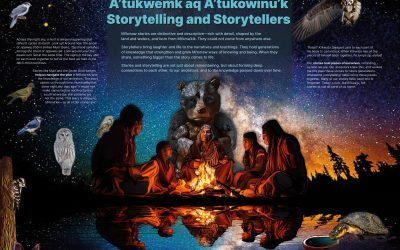
A Foot in Two Worlds: Honouring Treaties and Advancing Disability Inclusion in Workplaces
September 30th, the National Day for Truth and Reconciliation (NDTR), asks us to pause and remember the children who never came home, the Survivors, and the ongoing impact of residential schools. The very next day, October 1st, Treaty Day in Nova Scotia, reminds us of the living treaties between the Mi’kmaq and the Crown, and opens Mi’kmaq History Month, a time to learn from Mi’kmaw history and celebrate Mi’kmaw culture.