
OUR BLOG
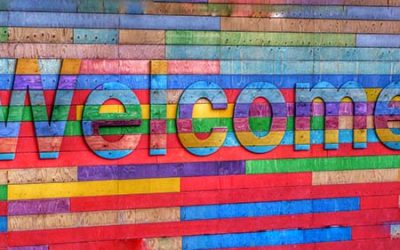
Building a Home for Queer Business in Atlantic Canada
Something big is taking shape across Atlantic Canada. From Halifax to St. John’s, from Charlottetown to Moncton, queer and trans entrepreneurs are coming together to build something we’ve never had before: a dedicated home for 2SLGBTQIA+ businesses in our region.
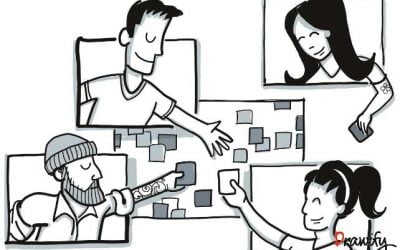
Building Inclusive Communities: Lessons from Accessibility Confident Leaders
We interviewed two accessibility leaders, Henk van Leeuwen, Director of Dartmouth Adult Services Centre (DASC) and Thivjan Tharmaratnam, Director of Inclusion Nova Scotia, as part of the Accessibility Ally podcast. They are reshaping the way we think about disability and inclusion. Through their work, they offer powerful insights into what it means to be an “accessibility confident” leader.
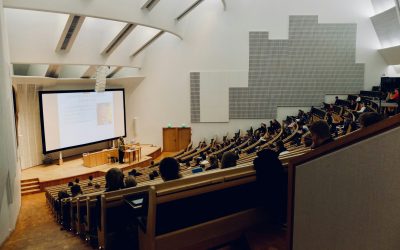
Supporting Students with Disabilities: Lessons from Lived Experience
On the Accessibility Ally Podcast, Corrie Melanson spoke with Michelle Mahoney and Morgane Evans about navigating post-secondary education with a physical disability. Both women shared their experiences of what worked, what didn’t, and what still needs to change to make education truly accessible.

How to Make Seasonal Hiring More Accessible and Inclusive
Hiring people for summer or seasonal jobs can happen fast, but that doesn’t mean it can’t be inclusive. A lot of people face barriers when applying for short-term jobs, especially folks with disabilities. The good news? There are easy ways to make your hiring and onboarding more welcoming and accessible for everyone.

Creating Neuro-Inclusive Workplaces: Why It Matters and How to Start
Imagine a workplace where everyone, regardless of how their brain works, feels like they belong, can contribute fully, and be their authentic selves. That’s the goal of neuroinclusion: building environments that support and celebrate neurodivergent employees.
Neurodivergence is a term that refers to brain-based differences in the way people think, sense, communicate, and interact with the world. This includes, but is not limited to, people with ADHD, autism, dyslexia, OCD, Tourette’s syndrome, and other learning or mental differences. These differences aren’t deficits; they’re variations that bring unique perspectives and strengths to the workplace.

Bridging Generations, Building Access: Rethinking Disability in the Workplace
Disability looks different for everyone, and so do our workplaces. One important but often overlooked part of accessibility and inclusion is how different generations experience and understand disability.
Each generation comes of age in a different social and cultural landscape. The language we use, the beliefs we carry, and the rights we’re afforded shape how we understand and live with disability. These differences influence how we show up at work, whether we feel safe to disclose, and what kinds of accommodations we know how, or feel able, to ask for (assuming we might even know).
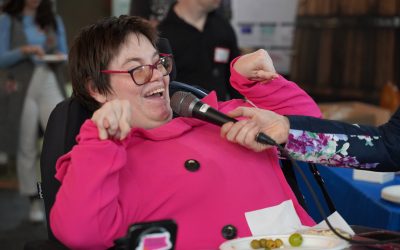
Activist and Leader Vicki Levack
Vicky shares the challenges she and many other people with disabilities face every day, especially around poverty, employment, transportation, and housing. She explains that people with disabilities are often forced to live below the poverty line, and the dream of reaching even that low standard is heartbreaking. Employment is especially tough because of barriers like unreliable transportation. For example, Access-a-Bus services require booking a week in advance, making a regular job almost impossible for Vicky. Because of these challenges, Vicky created her work path using her voice and advocacy skills.

Why Disability Work Needs an Intersectional Lens
Intersectionality means recognizing that people experience disability differently depending on parts of their identity, like race, gender, class, and sexuality. These overlapping experiences shape what kinds of barriers people face—and what kind of support they need.
People with disabilities already face challenges in getting hired and promoted. Add in being a woman, and the chances drop further. Now add race, and suddenly, many people are not even considered.

Rethinking Retention and Promotion
Creating workplaces where everyone can grow and thrive doesn’t happen by accident. It takes intentional design, culture shifts, and a deeper understanding of accessibility — not just in physical spaces, but in policies, leadership, and career development pathways.
Here’s a breakdown of the core themes from the Accessible Retention and Promotion workshop, developed in collaboration with the Accessibility Directorate.